Choosing a custom casket manufacturer is not only about comparing unit prices. For funeral homes, distributors and wholesale buyers, the more important question is whether a supplier can turn a design requirement into a consistent, manufacturable product and deliver it with the right specifications, packaging and documentation.
Before requesting a quotation, buyers should confirm the details that affect quality, cost, lead time and market suitability. This guide explains the main questions to ask when sourcing custom caskets and coffins for professional funeral markets.
1. What Type of Casket or Coffin Does Your Market Need?
The first step is to define the product category clearly. Different markets may prefer different shapes, materials, finishes and construction methods. A supplier that understands the target market can usually respond more accurately than one working from a general request such as “please quote a coffin.”
Common sourcing categories include:
- American-style caskets
- European-style coffins
- Personalized or themed memorial caskets
- Eco-friendly and biodegradable coffins
- Cardboard coffins
- Cremation urns
- Casket hardware, handles and decorative fittings
Buyers can review our American-style casket collection, European-style coffins and casket handles and hardware to narrow down their requirements. For repeat or container orders, our wholesale caskets buying guide covers specifications, samples, packaging and shipping. You can also browse the full product range before sending a reference image or drawing for quotation.
2. Which Materials Are Suitable for the Product?
Material selection influences appearance, structural performance, weight, price and the type of finish that can be applied. Depending on the product and market, options may include solid wood, engineered wood, MDF, cardboard, wicker and other alternative materials.
For wooden caskets, buyers should also confirm the wood species or surface requirement. For example, an American-style oak wood casket has a very different appearance and cost structure from a painted engineered-wood model.
When discussing materials with a manufacturer, ask for clear confirmation of the main body material, lid construction, interior material, hardware material and surface finish. This avoids misunderstandings later in sampling or mass production.
3. Can the Manufacturer Support OEM, ODM and Private Label?
For distributors and funeral product brands, customization often goes beyond changing a color. A useful manufacturing partner should be able to discuss OEM, ODM and private-label requirements in practical production terms.
Typical customization can include:
- Custom dimensions
- Exterior colors and finishes
- Interior fabrics and colors
- Handle and hardware styles
- Logo and brand labeling
- Custom packaging
- Memorial graphics or printed artwork
- Engraving and decorative elements
- Special product concepts based on a reference image or drawing
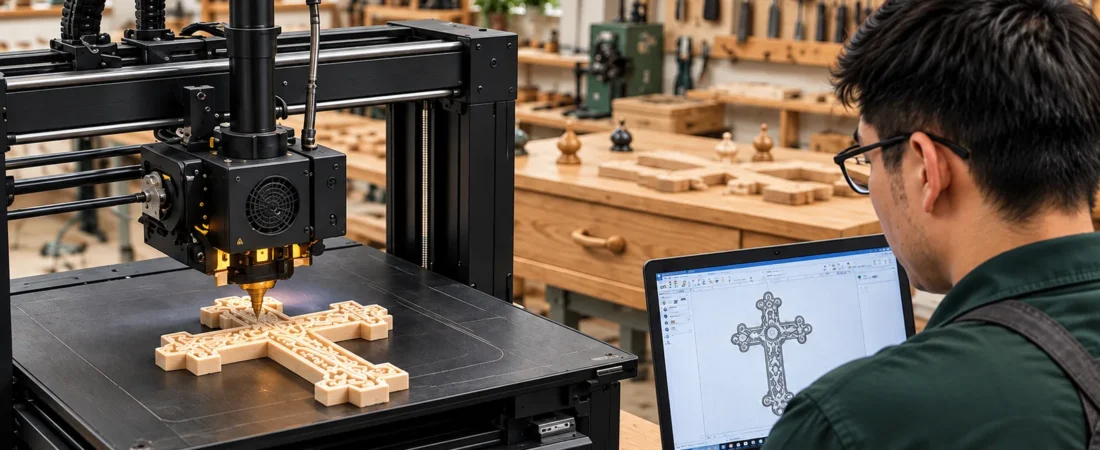
Peynaro’s customization capabilities also include 3D-printed decorative elements, wood relief carving, memorial themes and lighting or display integration for suitable projects.
4. How Detailed Should the Specification Be?
The more complete the specification, the more useful the quotation will be. A professional RFQ should include more than a product photo whenever possible.
For a custom casket or coffin project, buyers should ideally provide:
- Product style or reference image
- Overall dimensions
- Material preference
- Exterior color and finish
- Interior fabric and color
- Handle and hardware requirements
- Logo, artwork or memorial design
- Required quantity
- Destination country
- Packaging or private-label requirements
This information helps the manufacturer evaluate tooling, materials, production steps and export packing before quoting.
5. What Is the MOQ for a Custom Order?
Minimum order quantity should be confirmed early because it may vary by product, material and customization level. A standard model with a color change may have a different MOQ from a completely new structure, new mold or highly customized memorial design.
For buyers testing a new market, it is often useful to ask whether the supplier can support a sample, prototype or small trial order before a larger production run.
6. How Is a New Custom Design Approved Before Production?
For customized products, approval should happen before mass production. Depending on the project, the process may involve a drawing, digital concept, reference sample, prototype or physical sample.
A practical approval workflow is:
- Buyer sends the concept, reference image or specification.
- Manufacturer checks whether the design is practical to manufacture.
- Materials, colors, dimensions and decorative details are confirmed.
- A sample or visual confirmation is prepared when required.
- Mass production starts after final approval.
This is especially important for highly personalized products such as a 3D memorial coffin, where the size, position and production method of decorative elements need to be confirmed before manufacturing.
7. What Should Buyers Ask About Quality Control?
Consistency matters more as order quantities increase. Buyers should ask how the manufacturer controls dimensions, finish, hardware installation, interior workmanship, structural assembly and final appearance.
For custom orders, the approved sample or confirmed specification should be used as the production reference. It is also useful to confirm how changes are handled if a material, color or accessory becomes unavailable during production.
8. How Should Export Packaging Be Planned?
Caskets and coffins are large-volume products, so packaging affects both protection and freight cost. Good export packing should protect corners, surfaces, hardware and interiors during handling and container transport.
Before ordering, confirm:
- Individual packing method
- Carton or protective material
- Pallet requirements if applicable
- Package dimensions
- Gross and net weight
- Container loading quantity
- Private-label carton marks
For wholesale buyers, packaging should be discussed together with the product specification rather than after production is finished.
9. What Is the Realistic Production Lead Time?
Lead time depends on the product and the amount of customization. Standard models may be faster, while new molds, special materials, printed artwork, 3D decorative components or integrated lighting can require additional development and approval time.
Buyers should ask the supplier to separate sample or development time from mass-production time. This makes project scheduling clearer, especially when the order must arrive before a planned product launch, exhibition or seasonal sales period.
10. What Information Is Needed for an Accurate Shipping Quote?
International freight depends on shipment volume, weight, destination and trade terms. Before requesting a final shipping cost, provide the destination port or full delivery location and confirm whether the quote should be EXW, FOB, CIF or another agreed Incoterm.
For container orders, the number of units that can be loaded is often as important as the unit price. Packaging dimensions and loading arrangement should therefore be evaluated early in the sourcing process.
Questions to Ask a Custom Casket Manufacturer Before Ordering
A concise supplier checklist can save time during the first quotation round:
- Can you manufacture this exact style or develop it from our reference?
- Which materials do you recommend for our target market and price level?
- What dimensions, finishes, interiors and hardware can be customized?
- Do you support OEM, ODM and private label?
- What is the MOQ for this specification?
- Can you make a sample or prototype before mass production?
- What is the production lead time after approval?
- How is the product packed for export?
- What are the package dimensions and container-loading estimates?
- Which information do you need from us to prepare a firm quotation?
FAQ
Can a casket manufacturer produce from a reference photo?
In many cases, yes. A reference photo can be a useful starting point, but dimensions, materials, construction details, colors, interiors and hardware still need to be confirmed before production.
What is the difference between OEM and ODM for caskets?
OEM normally means manufacturing according to the buyer’s design, specification or branding. ODM involves more design and product-development support from the manufacturer. In practice, custom funeral product projects may include elements of both.
Can funeral distributors order private-label caskets?
Private-label projects can include custom logos, labels, packaging, product names and selected design details. The exact options and MOQ should be confirmed for each product.
Can a manufacturer develop personalized memorial caskets?
Yes, depending on the design and production method. Personalized projects may use custom colors, printed graphics, engraving, 3D decorative components, relief elements, memorial text or lighting features.
What should I send to get a faster quotation?
Send the product style or reference image, quantity, dimensions, material preference, customization requirements and destination market. The more complete the information, the easier it is to prepare an accurate manufacturing and shipping evaluation.
Start with a Clear Specification
The best sourcing conversations begin with clear requirements. Instead of comparing suppliers only by price, compare how well they understand your product, market, customization needs, approval process, packaging and delivery requirements.
If you are sourcing custom caskets, coffins, cremation urns or related funeral products, send Peynaro your reference image, quantity, specifications and destination. Our team can review the project and discuss suitable manufacturing, customization and export options.